Eagle Aeries
What a wonderful sight (and ooh what a feeling) to see the majestic and graceful bald eagle in an urban setting!
Metro Vancouver has it all: inviting mountains for year round activities, from skiing in the winter, to hiking/mountain climbing in the summer; an alluring ocean for exciting fishing action, and scuba diving adventures; a big blue sky for paragliding, and flights of discovery... and bird watching... especially watching the impressive bald eagle!
The cities and communities that make up this region are blessed with an abundance of these mighty birds of prey. Find their aeries, and soon you will find them.
Enjoy the search... enjoy the view(ing)! ...'click' to link to Eagle Nesting Calendar
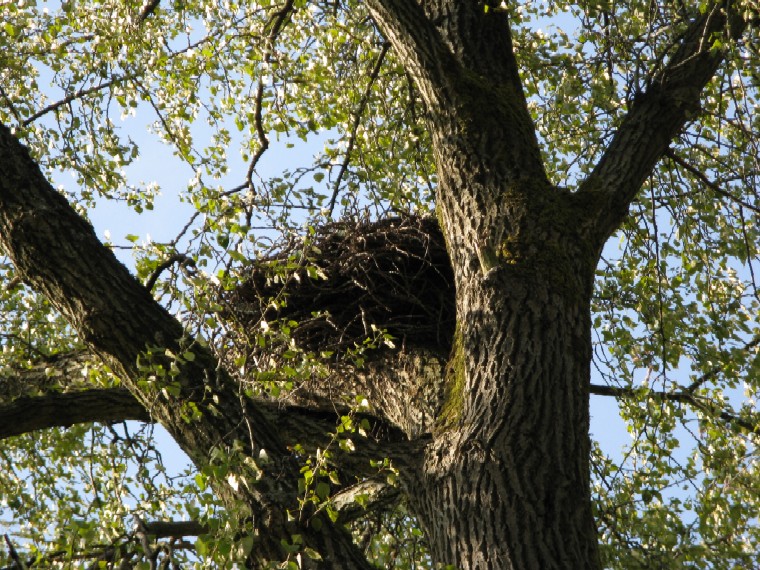
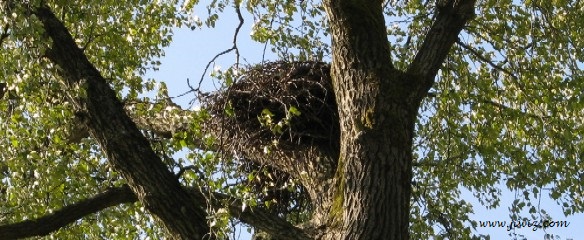
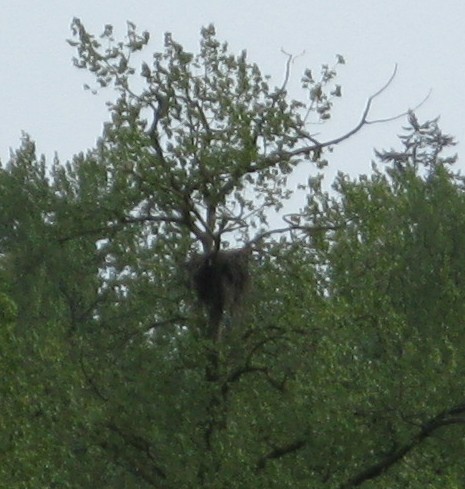
Burnaby's Broadview Park
Burnaby Lake
Keep an eye out for the busy beavers! You should see them near their lodge.
Visitor Info & Location Map & Trail Map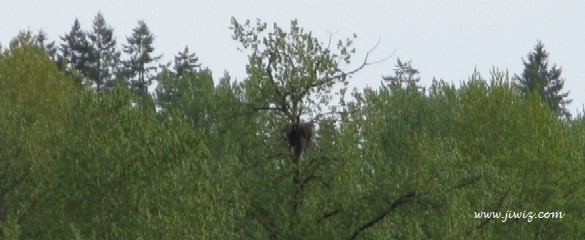
Deas Island Regional Park

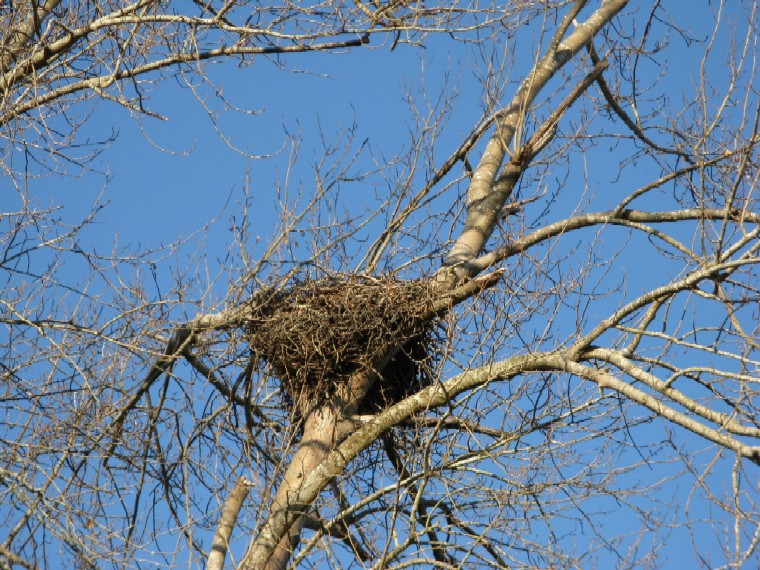
This impressive nest is located near the entrance to the park. Actually, it is off the island, across the road and down farther to the east. It appears to be on private property, and is therefore difficult to get close to.
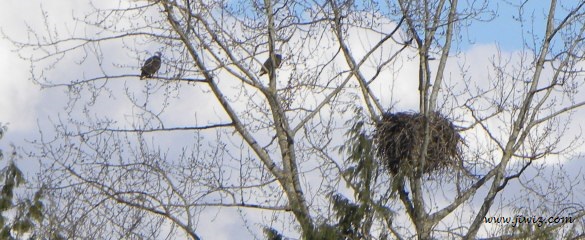
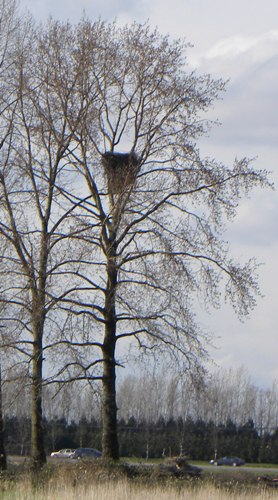
Delta Offers An Impressive Array Of Nests...
These four nests are located in or near the northern half of an area bounded by 62 B St on the west, River Road on the north, 68 St on the east, and 60 Ave on the south.
'Click' for close-up of nest.
'Click' for location picture.
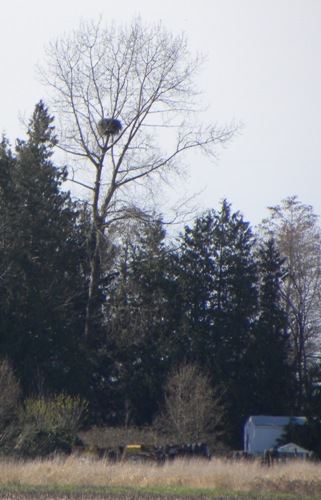
'Click' for location picture.
'Click' for close-up location picture.
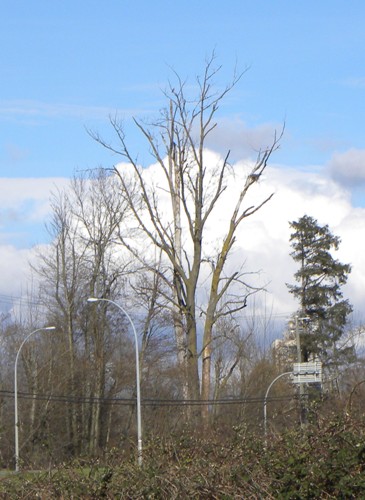
'Click' for close-up of nest.
'Click' for location picture.
Located northeast of the intersection of River Rd and 68 St.
'Click' for location picture.
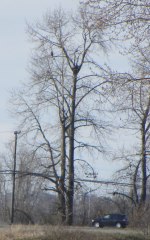
See nesting tree on the far left of the picture. Located on the north side of River Rd, between 62B St. and 68 St.
Ladner
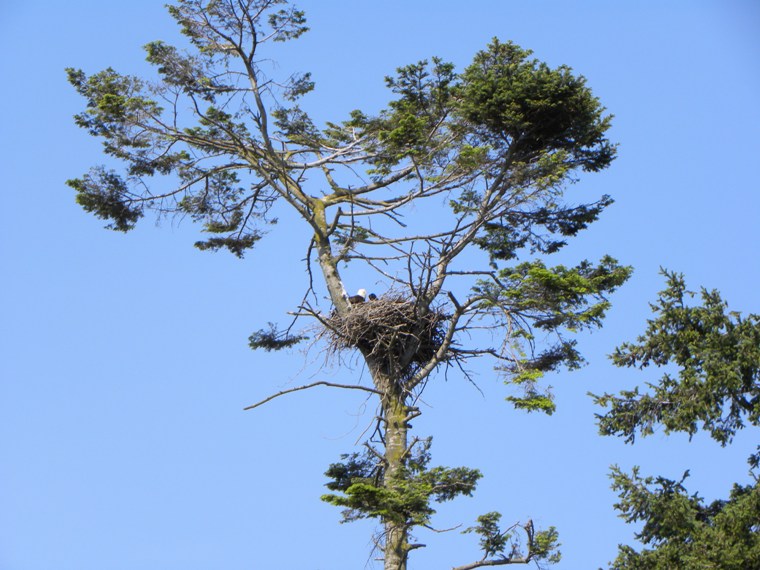
Mother and Baby! What a sight to see!
Baby Grows Up! July2016 Don't mess with Mama!
While you're in the area, check out the The Reifel Bird Sanctuary... one of Canada's top bird-watching sites in the heart of the Fraser River estuary.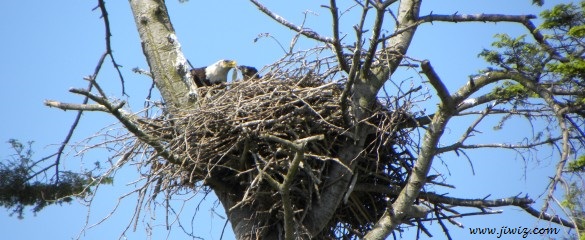
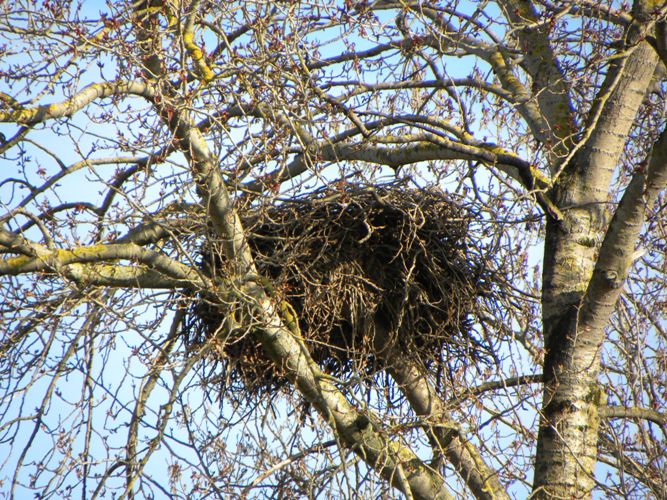
Richmond's Tourist Info Nest
It can also be glimpsed on your left as you head south toward the tunnel. Remember, just a glimpse, as it can be quite dangerous to take your eyes off the road for any length of time, especially at Hwy99 speeds!
Please "click" here for eagle nests existance disclaimer.
West Dyke Trail
on...
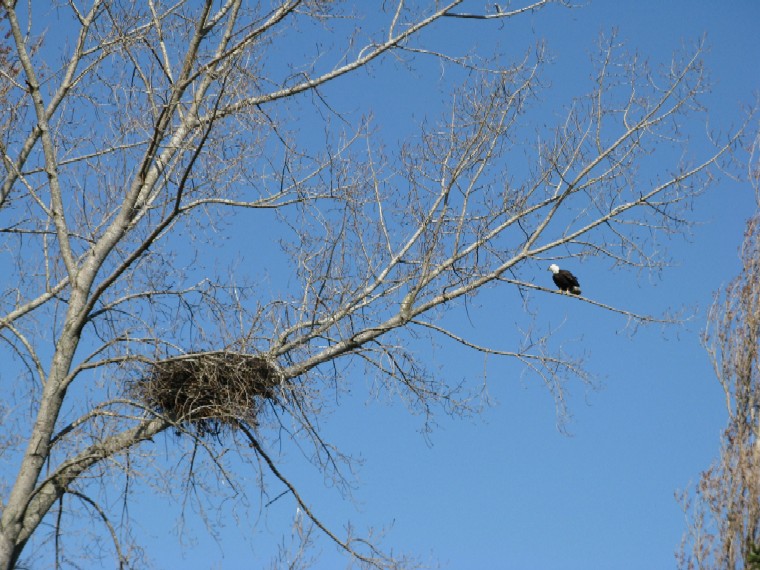
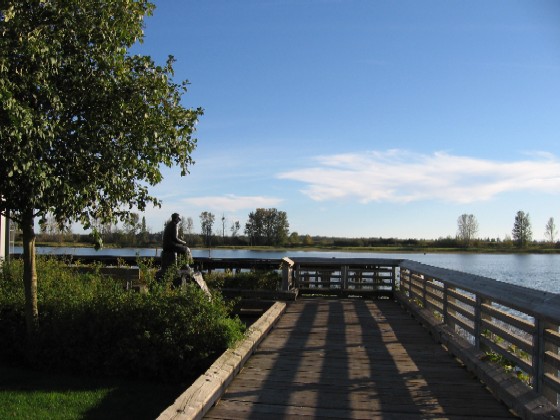
Richmond's West Dyke Trail... Richmond's Terra Nova Park, and adjacent West Dyke and Middle Arm Trails... nature at it's best! The West Dyke Trail connects Terra Nova Park with Garry Point Park.
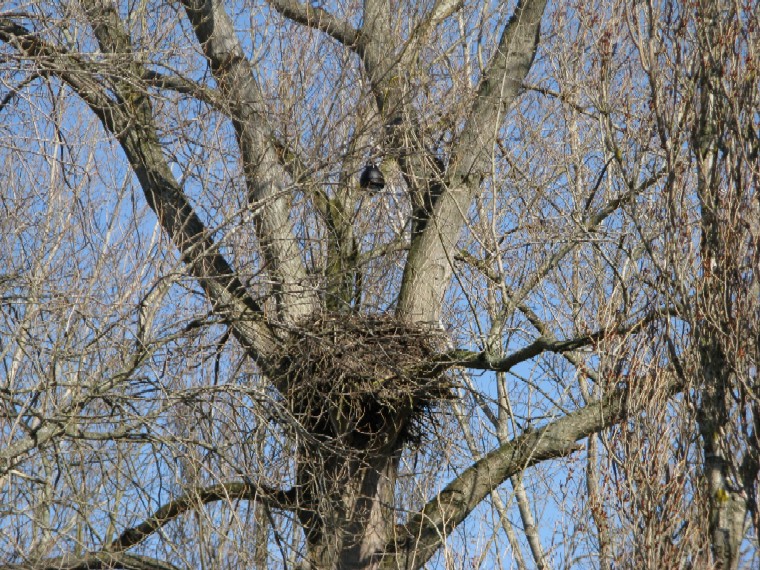 Located... about one hundred and fifty paces further north.(About 75 paces past the park bench.)
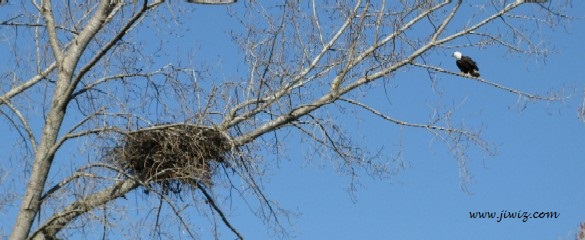
 View... across the river from Britannia Heritage Shipyard Park (Railway Ave/Westwater Dr).
at...
Steveston Fishing Village & Greenways... Features shops, markets, galleries, restaurants, Public Fish Sales Float, commercial boat tours and the Steveston Museum.
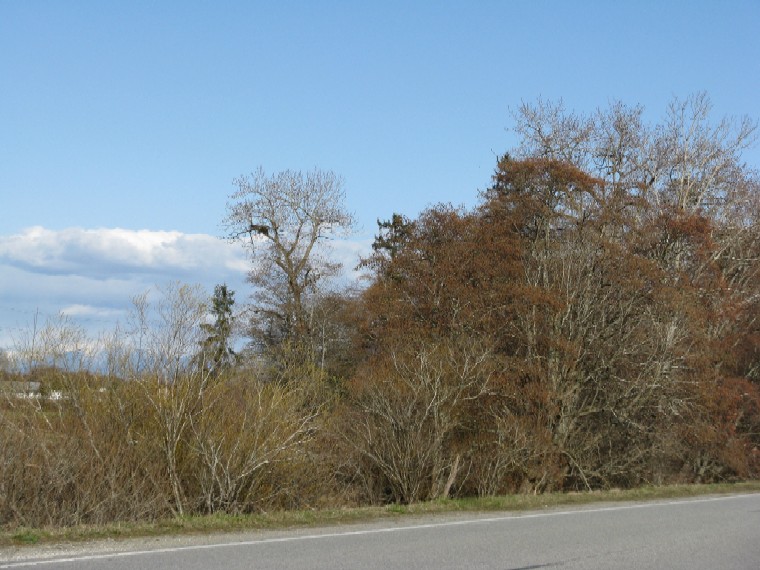
Located... 4.0 Km east of Steveston Village, near the foot of No. 3 Rd.
at...
Richmond's South Dyke Trail... for cycling, walking, and river watching, this is the place to be!
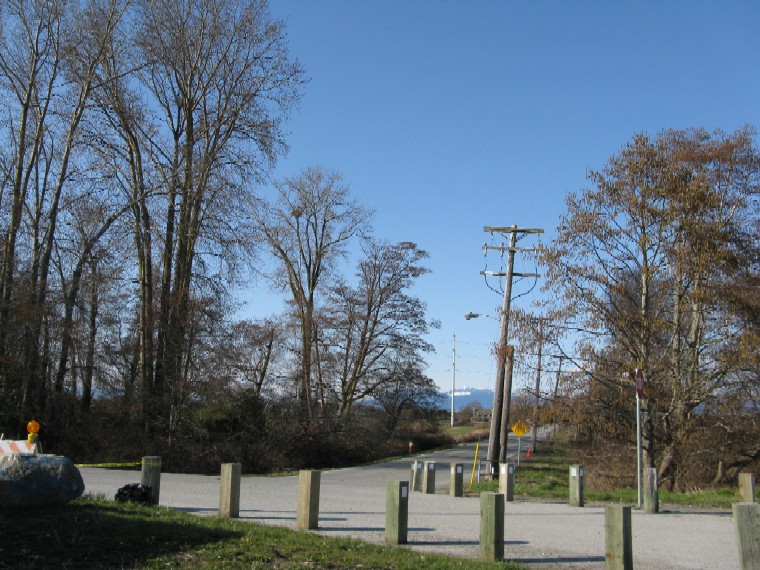 Located... a little further east, at the foot of No. 3 Rd.
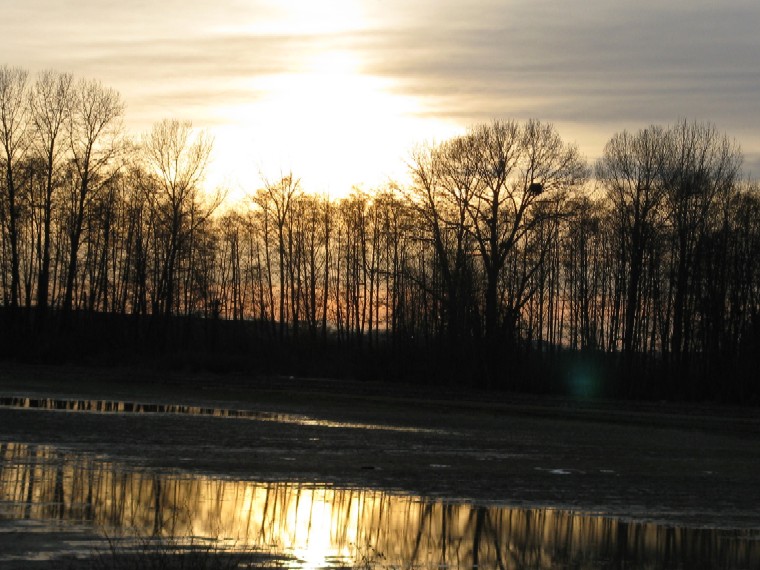


Located... across the river between Shell Rd and # 5 Rd on Dyke Rd.
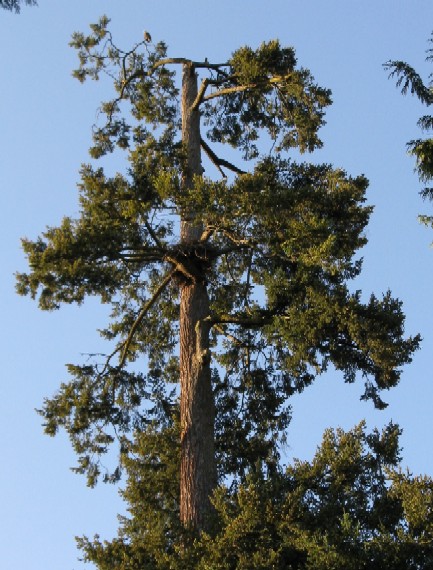
Vancouver"s Stanley Park Dining Pavilion
Atop a towering Douglas-fir tree, in a many-peopled area, this nest is located in the Malkin Bowl section of Stanley Park, near The Dining Pavilion. From the steps of The Dining Pavilion look high in the trees, slightly to your left... you'll see it!
Vancouver's Stanley Park... Walk, hike, drive, cycle, roller blade, jog... you can do it all in Stanley Park! Visitor Info & Map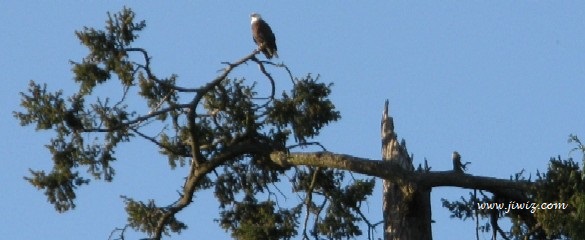
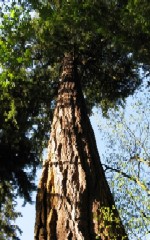
Stanley Park's Cathedral Trail
This nest is high in the upper branches of a towering 500 year old plus Douglas-fir tree. It boasts the distinction of being the oldest and largest averie in Stanley Park. Start your search at the Lost Lagoon entrance to the Cathedral Trail. Proceed to the junction which connects with the Bridle Path and the Lees Trail. The huge Douglas-fir is actually on the Lees Trail. Go right from the Cathedral Trail unto the Lees Trail... it's there, almost immediately, on the left side of the trail. To view the averie, walk up the Bridle Path for a minute or so, then turn around. You'll see the nest high on your left.
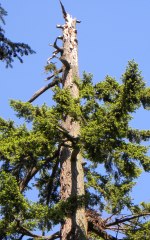
Tunnel Trail Nest
Park 1.5 kilometers past Brockton Point. On the Tunnel Trail, walk in a clockwise direction. High in a Douglas-fir tree, the nest is soon seen on the right. It'll take a keen eye, but you will spot it.
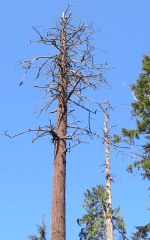
Pipeline Road Perch Tree
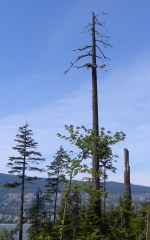
Stanley Park's Merilees Trail
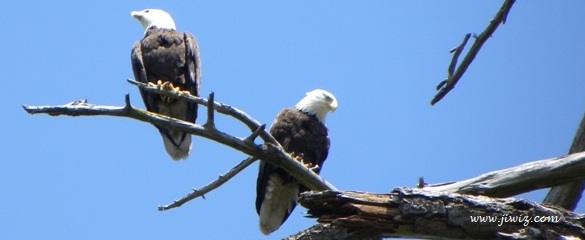
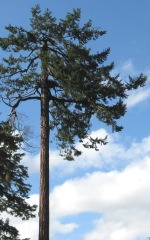
2 Views of the Same Nest?
Question: Is this the same nest, or a different one from the following...?
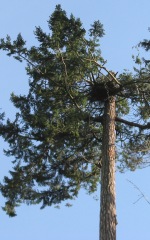
2 Views of the Same Nest?
Is this the same tree? Is this the same nest?

Vancouver's Vanier Park
Located... near the Coast Guard Station.
at...
Vancouver's Vanier Park... Enjoy a leisurely stroll, a more vigorous walk or a jog, a visit to the Planetarium and the Vancouver Museum, or fly a kite! All this, and more, awaits you.
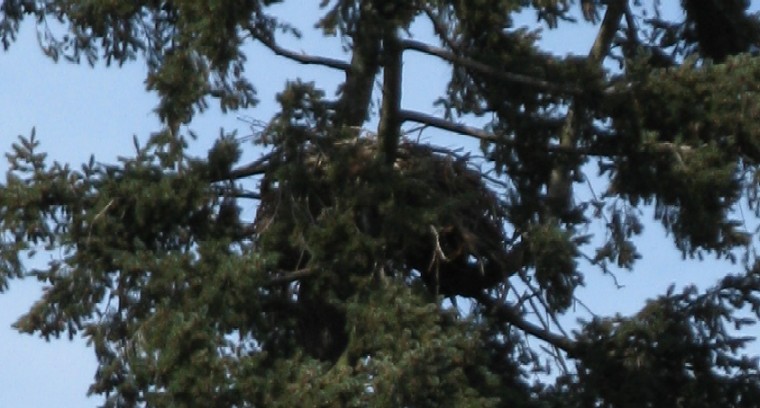
Jericho Park
An awesome nest snuggled atop a towering Douglas Fir tree...
Located... by Jericho Beach, in the woods west of the works yard, which is on Lebrun Way. At Jericho Park ...take the path west of the Sailing Centre, go south at the BBQ coal pit, walking through the woods. Keep looking up. Suprise... you'll soon spot it!
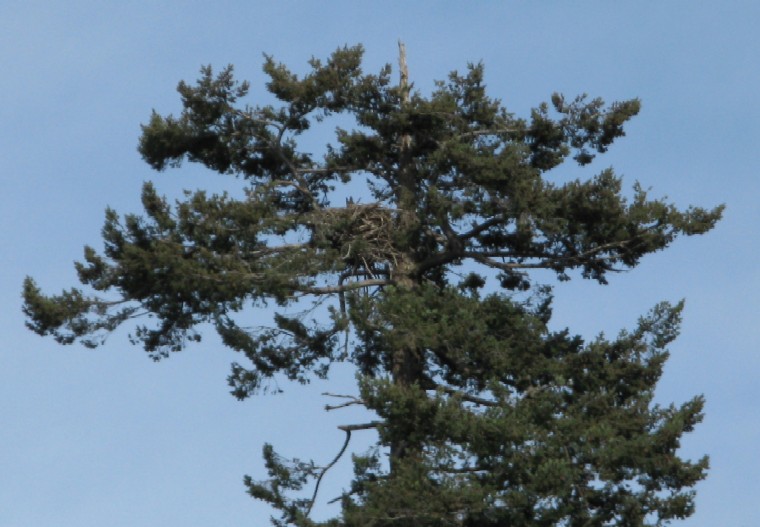
Acadia Beach
Pacific Spirit Regional Park... From a walk in a deep lush forrest, to a picnic by the sea, Pacific Spirit Park offers this, and more.
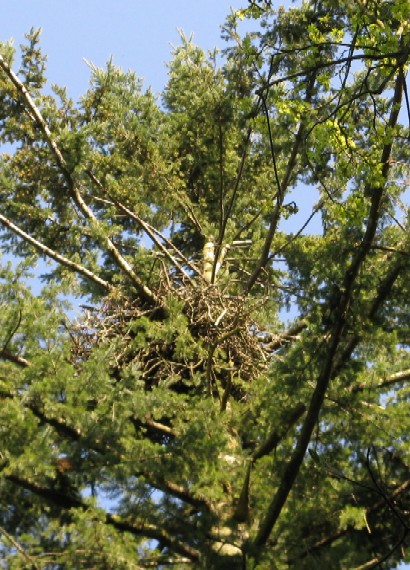
Pacific Spirit Regional Park

Wesbrook
Located on the coastal side of SW Marine Drive near the T-intersection with Wesbrook Mall, this nest takes a bit of an effort to spot. Take a through look, and you'll soon find it. Stop on Wesbrook Mall, then look across SW Marine Drive up toward the right. (Parking can be a challenge.) Up toward the left is a perching tree. Hopefully, it'll be occupied!
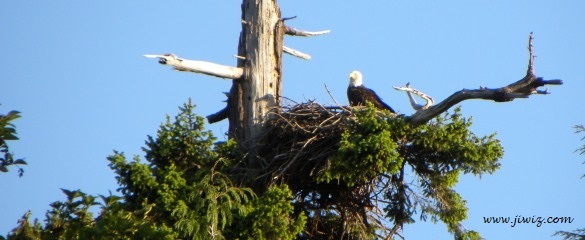

Musqueam Park
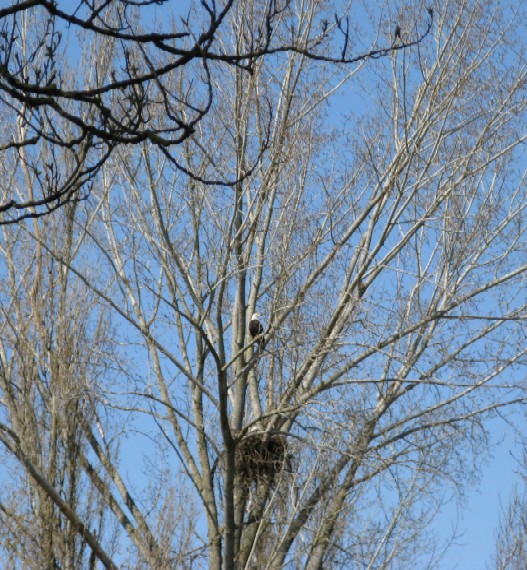
Southlands
For a great 360 degree view of the nest, drive around this beautiful location. The Point Grey Golf and Country Club borders the east. Can you spot a nest in the making?
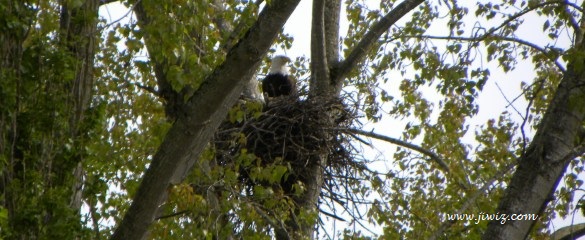

Kerrisdale
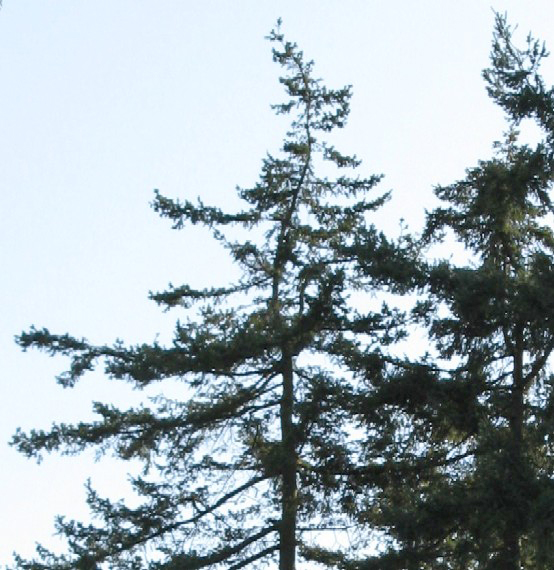
SW Marine Dr
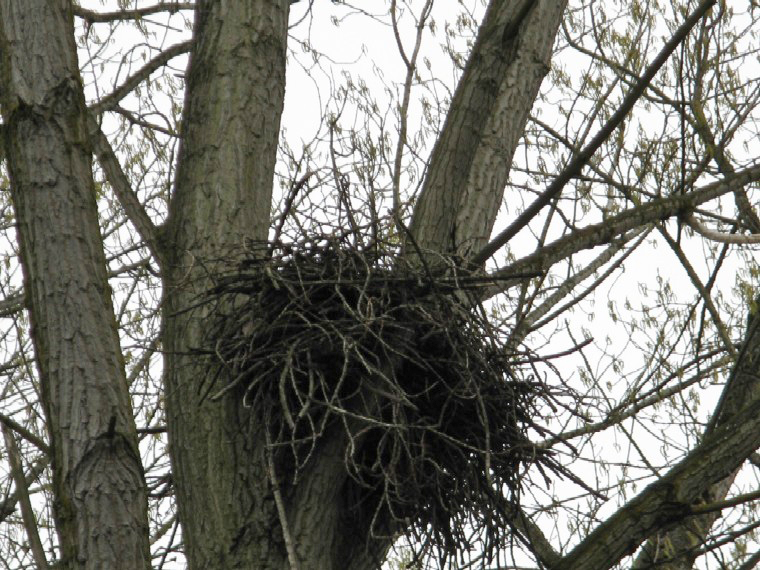
Strathcona Park
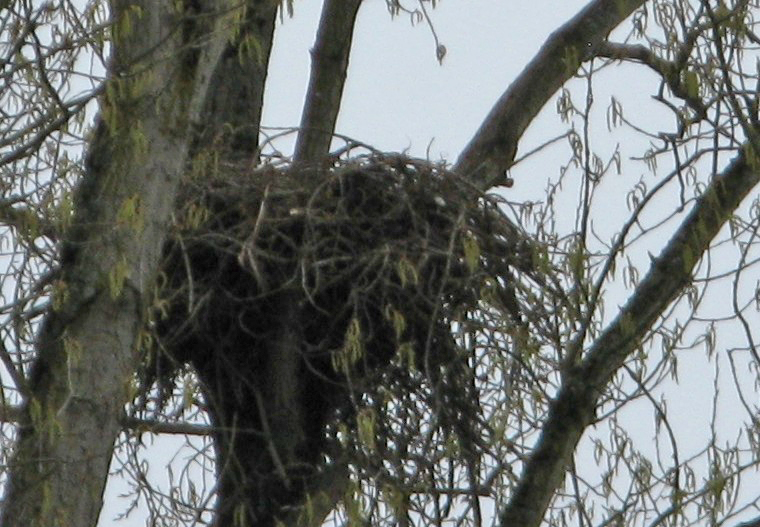
As they say, "You can't miss it (them).!"
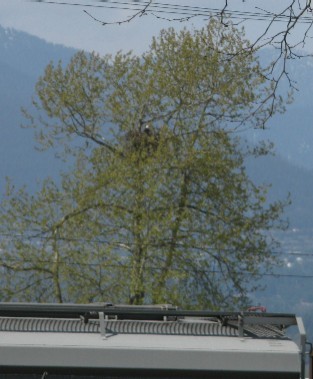
Wall St.
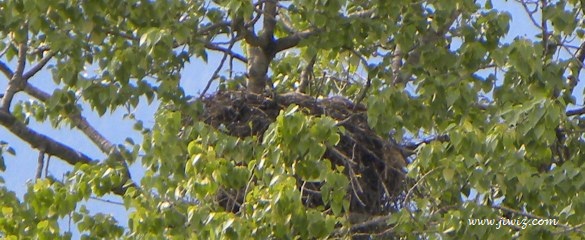
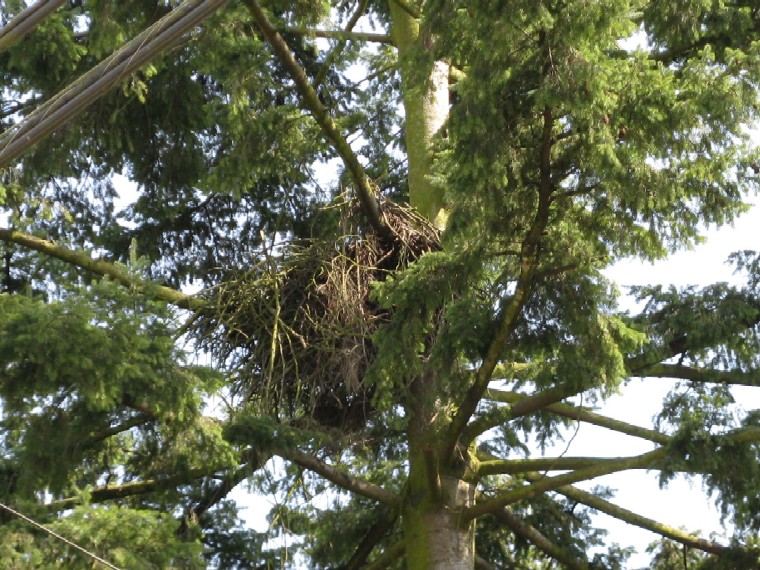
Pandora St.
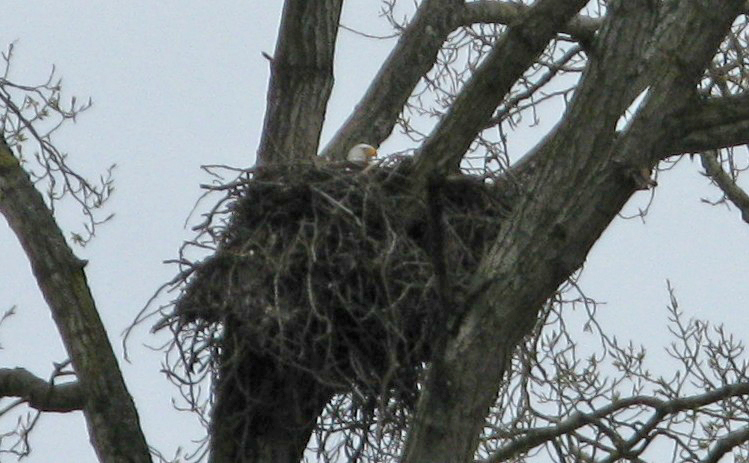
Hastings St.
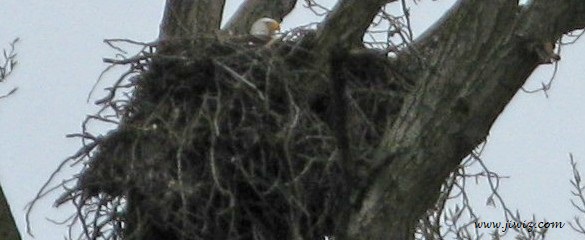
Please "click" here for eagle nests existance disclaimer.
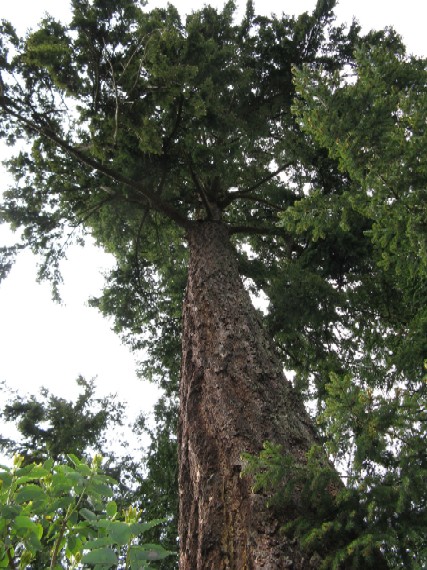
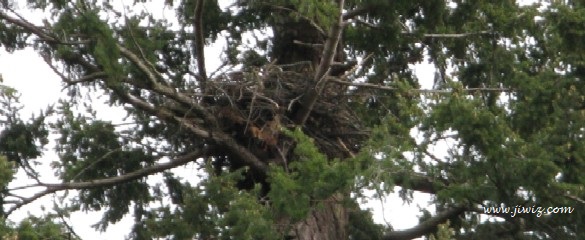
West Vancouver's Marine Drive @ Parthenon Place
While you're in the area, check-out West Vancouver's Lighthouse Park to the east, and Horseshoe Bay to the west. They are both well worth the visit.
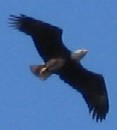
Bald Eagles are so named because they are "white-headed". Balde is an Old English term meaning white.
Adult males and females are identical in color... white heads and tails, with blackish-brown bodies. Their feet and beaks are yellow.
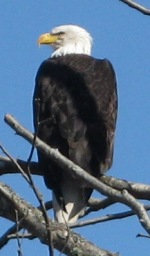
Eagles mature at about 4 or 5 years of age, and live to about 30.
With up to a 7-foot wingspan, having a height of 3 to 3 1/2 feet, and weighing 8 to 15 pounds, these great birds of prey can lift about 4 pounds. The female is larger than the male.
An eagle's diet consists primarly of fish, but circumstance can force them to dine on carrion.
These 'eagle-eyed' birds have exemplary eyesight, and are strong swimmers.
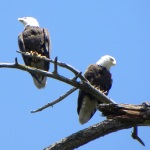
Eagle pairs remain together until they are parted by the death of one of them.
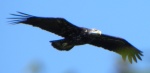
Eaglets have all their feathers by 10 to 12 weeks of age. At this time, they are nearly full grown and can make maiden flights from their nest.
Juvenile eagles are a mixture of brown and white, becoming almost solid brown as they progress to adulthood.
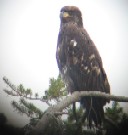
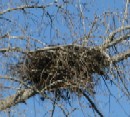
Nests (aeries) are usually constructed in tall trees beside rivers or near coastlines.
Bald eagle nests are added to every year. They often become the largest of any bird in North America.
Bald eagles lay from one to three eggs each year, with two being the norm.
Kept warm by both parents alternating incubation duties, eaglets hatch in 35 days.
From the time the parents ready the aerie and the young are on their own (the nesting cycle), takes about 20 weeks.
Bald Eagle Nesting Calendar

December - February
Time to set up one's territory. Return to a previously used nest, or to build a new one.

March - April
1 to 3 eggs are laid. (One is the norm.)
April - May
After 35 days, the eggs start to hatch.

May - July
Feeding and brooding become the tasks of the day. These shared duties continue for about 17 weeks, until the young leave the nest (fledge).

August - October
The fledgelings are now leading their own lives. Nearby rivers become hangouts for many adults and juveniles alike. (The fish runs provide a reliable source of food.)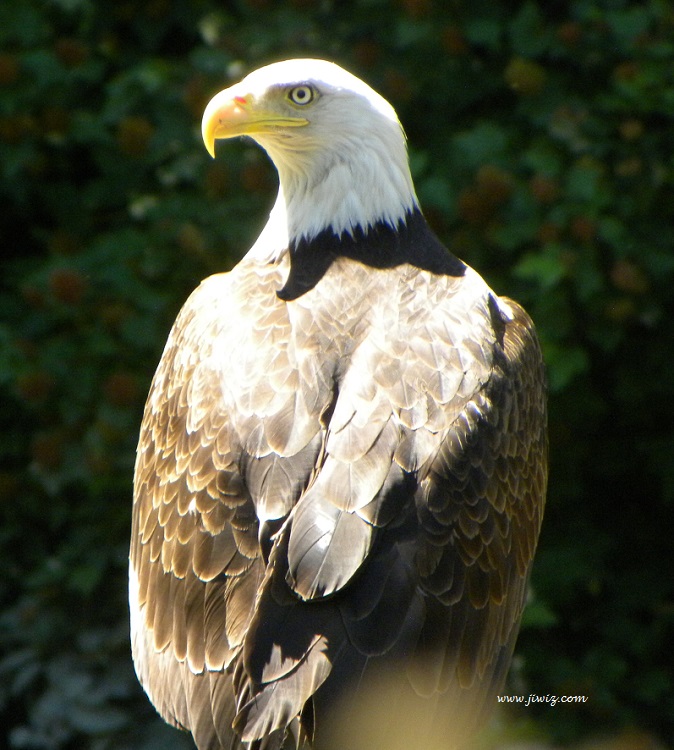
Can't locate a certain nest?
Please keep in mind that although eagle nests are protected year-round, whether or not the nest is in use, there are exceptions to this law. Road construction projects are one exception that may necessitate the removal of a nest and/or it's host tree/structure. Also, existing nests may be destroyed by storms and toppling trees. On the bright side, delapitated nests are mended as necessary by the industrious eagles, and new nests are built each year.
'Click' for Guidelines for Raptor Conservation